

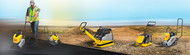
The Complete Vibratory Plate Compactor Buying Guide: How to Choose the Right Compaction Equipment for Your Project
Last Updated: January 2026 | Reading Time: 10 minutes
Proper soil compaction is the foundation of every successful construction project. Whether you're installing pavers, building retaining walls, preparing subgrade for concrete, or backfilling trenches, choosing the right compaction equipment directly impacts the longevity and stability of your work. With compaction equipment representing a significant investment that will serve your business for years, understanding the differences between vibratory plate compactors, rammers, and rollers will help you make the smartest choice for your specific applications.
Why Compaction Equipment Quality Matters
Inadequate compaction leads to settling, cracking, and premature failure of hardscapes, foundations, and paved surfaces. Professional-grade compaction equipment from manufacturers like Wacker Neuson, Multiquip, and other industry leaders delivers the force and frequency needed to achieve proper soil density across various materials and conditions. The difference between consumer-grade and professional equipment becomes evident in productivity, durability, and the quality of finished work.
Modern vibratory plate compactors generate centrifugal forces ranging from 2,500 to over 10,000 pounds, creating vibrations that rearrange soil particles into a denser, more stable configuration. This mechanical energy reduces air voids between particles, increasing bearing capacity and resistance to settlement. The right equipment selection depends on understanding your soil types, lift thickness requirements, and project specifications.
Understanding Different Types of Compaction Equipment
Single Direction Vibratory Plate Compactors
Single direction forward plates represent the most common and versatile compaction choice for general construction and landscaping applications. These machines move forward only, making them ideal for open areas where turning around poses no difficulty. Plate widths typically range from 14 inches for confined spaces to 24 inches for maximum productivity in larger areas.
Standard single direction plates excel at compacting granular soils, gravel, and crushed stone. They work efficiently on base materials for driveways, walkways, and parking areas. With compaction forces between 3,000 and 5,500 pounds, these machines handle lift thicknesses up to 8 inches in granular materials. Engine sizes range from 3.5 to 6 horsepower, providing the power needed for consistent performance throughout long workdays.
Single direction models with water systems add versatility for asphalt patching and cohesive soil applications. The water spray prevents asphalt from sticking to the plate while improving compaction effectiveness in clay-containing soils by optimizing moisture content during compaction.
Reversible Plate Compactors
Reversible plates deliver superior productivity and maneuverability by traveling both forward and reverse without requiring the operator to turn the machine around. This bidirectional capability becomes essential in confined spaces, along walls and curbs, and in areas where repositioning a single-direction plate wastes valuable time.
These machines generate higher compaction forces, typically between 5,000 and 10,000 pounds, making them suitable for deeper lifts and more challenging soils. Reversible compactors handle lift thicknesses up to 12 inches in granular materials and up to 16 inches in some models designed for heavy-duty applications. Their increased weight, ranging from 200 to 800 pounds depending on size, contributes to superior compaction performance.
The investment in a reversible plate pays dividends for contractors frequently working in trenches, around foundations, or in any situation where repeatedly turning equipment reduces productivity. While costing more than single-direction models, the time savings and improved compaction quality often justify the price difference for professional users.
Paver Plates
Paver plates feature specialized low-amplitude, high-frequency vibration specifically engineered for installing interlocking pavers, concrete pavers, and natural stone without causing surface damage. These machines employ rubber or polyurethane base plates rather than steel to prevent scratching or chipping finished surfaces.
The gentle yet effective vibration settles pavers into bedding sand while creating a smooth, level finished surface. Paver plates work at frequencies between 80 and 100 Hz compared to 60-80 Hz for standard soil compactors. This higher frequency with lower amplitude prevents displacing pavers while ensuring proper seating and joint sand penetration.
Many contractors rely on paver plates as their final step after using conventional compactors for base preparation. The specialized design prevents callbacks related to unlevel surfaces or damaged pavers. For hardscape contractors, landscape companies, and construction firms specializing in decorative concrete and paver installation, a dedicated paver plate is an essential tool that protects both workmanship and reputation.
Vibratory Rammers
Vibratory rammers, also called jumping jacks or trench rammers, excel at compacting cohesive soils containing significant clay content. Their concentrated impact force travels deeper into lifts compared to plate compactors, making rammers the preferred choice for backfilling utility trenches, working around foundations, and compacting mixed or clay-heavy soils.
Rammers feature a small shoe area, typically 10 to 14 inches, concentrating compaction force into a smaller footprint. This design enables them to compact lift thicknesses up to 12 inches in cohesive soils where plate compactors would struggle. The rapid up-and-down jumping motion, operating at 500-700 blows per minute, effectively reduces air voids in clayey materials that resist vibration-only compaction.
Modern four-cycle rammers from manufacturers like Wacker Neuson have largely replaced older two-cycle models in professional applications. Four-cycle engines run cleaner, quieter, and require less maintenance while delivering comparable or better performance. Oil-injected two-cycle rammers still offer advantages in specific applications, but the industry trend favors four-cycle technology for reduced emissions and operating costs.
Walk-Behind and Ride-On Vibratory Rollers
For larger areas and maximum productivity, walk-behind double-drum vibratory rollers provide superior compaction performance and speed. These machines feature two steel drums that compact material beneath both the front and rear of the roller, doubling productivity compared to single-direction plates. Drum widths range from 24 to 48 inches, with operating weights between 1,500 and 4,000 pounds.
Ride-on rollers take productivity to the next level for substantial projects like parking lot construction, large driveways, or commercial site development. These machines allow operators to compact areas quickly while remaining comfortable throughout extended working periods. Both walk-behind and ride-on models often include water spray systems for asphalt applications and articulated steering for tight maneuvering.
Key Factors in Selecting Compaction Equipment
Soil Type and Material Characteristics
Understanding soil composition determines which equipment will perform effectively. Granular soils including sand, gravel, and crushed stone compact efficiently under vibration, making them ideal for plate compactors. The lack of cohesion in granular materials allows particles to rearrange quickly under vibratory force, achieving target density in fewer passes.
Cohesive soils containing clay require impact compaction from rammers or heavier equipment. Clay particles bond together, resisting the spreading vibration of plate compactors. The concentrated striking force of a rammer breaks these bonds and forces particles together more effectively. Projects involving mixed soils or unknown conditions often benefit from having both plate and rammer equipment available.
Base course materials, decomposed granite, and road base typically compact best with reversible plates or small rollers. These materials need significant compaction force and the ability to work in both directions for efficiency. Asphalt applications demand machines with water systems and adequate force to achieve specified density without excessive passes that can cause aggregate breakdown.
Working Area and Access Constraints
Project site characteristics significantly influence equipment selection. Confined areas, narrow trenches, and locations with limited access require smaller, more maneuverable equipment. A 14-inch single-direction plate or 11-inch rammer fits through 36-inch gates and maneuvers easily around landscaping obstacles. Larger 24-inch plates or ride-on equipment provides efficiency in open areas but creates challenges in restricted spaces.
Consider transportation logistics when selecting equipment. Smaller plates and rammers load easily into pickup trucks or trailers without special equipment. Heavier reversible plates and rollers may require equipment trailers or liftgate trucks. Transport convenience affects productivity by reducing time spent loading and moving equipment between job sites.
Lift Thickness and Compaction Depth
Different equipment types effectively compact materials to different depths. Understanding required lift thickness prevents over-specifying expensive heavy equipment when lighter machines would suffice, or underestimating needs and failing to achieve proper compaction.
Single-direction plates typically compact granular materials in lifts up to 6-8 inches. Exceeding this thickness reduces compaction effectiveness, potentially leaving inadequately compacted zones that will settle over time. Reversible plates handle thicker lifts, generally 8-12 inches in granular soils. Rammers effectively compact cohesive soils in 8-12 inch lifts, with their impact force penetrating deeper than plate vibration.
Project specifications often dictate required compaction percentages, such as 95% of maximum dry density. Achieving these targets requires matching equipment capability to material and lift thickness. When uncertain, consulting with equipment specialists and running field density tests ensures compliance with engineering requirements.
Engine Power and Type
Engine selection impacts performance, maintenance, and operating costs. Most compaction equipment uses gasoline engines from Honda, Kohler, or Briggs & Stratton, ranging from 3.5 to 11 horsepower depending on machine size. Four-cycle engines dominate the market for their fuel efficiency, reduced emissions, and lower maintenance requirements compared to two-cycle designs.
Diesel engines appear on larger rollers and some heavy-duty reversible plates. Diesel provides excellent fuel economy for extended operation and delivers superior torque characteristics for large, heavy machines. However, diesel equipment costs more initially and requires more complex maintenance, factors that matter more for occasional users than for contractors running equipment daily.
Electric starting systems add convenience and reduce operator fatigue, particularly valuable when starting equipment repeatedly throughout the day. Recoil start systems work reliably but demand more physical effort, especially on larger engines. For professional applications, electric start justifies its additional cost through improved operator comfort and productivity.
Understanding Total Cost of Ownership
Purchase price represents only the initial investment in compaction equipment. Smart buyers evaluate long-term ownership costs including maintenance, repairs, fuel consumption, and productivity factors that impact profitability.
Regular maintenance keeps equipment running reliably and extends service life. Four-cycle engines require oil changes every 50-100 hours, air filter cleaning or replacement at similar intervals, and periodic spark plug replacement. Proper maintenance, although requiring time and modest parts investment, prevents expensive repairs and equipment downtime that disrupts project schedules.
Wear items including belts, exciter bearings, and base plates eventually need replacement. Professional-grade equipment from established manufacturers uses readily available parts and provides clear service documentation. Wacker Neuson, Multiquip, and similar brands maintain extensive parts networks ensuring repairs don't strand equipment for weeks waiting for components.
Fuel consumption varies based on engine size and operation intensity. Small plates typically consume 0.5-1.0 gallons per 8-hour day, while larger reversible plates and rammers may use 2-3 gallons daily. At current fuel prices, this represents modest operating costs, but efficient engines reduce expenses over years of ownership.
Matching Equipment to Common Applications
Paver and Hardscape Installation
Installing interlocking pavers, brick pavers, or natural stone requires multiple compaction steps using different equipment types. The typical process begins with base material compaction using a reversible plate or small roller. A properly compacted base prevents settling and ensures long-term stability of the finished surface.
After installing pavers on bedding sand, professionals use paver plates with protective base pads for final compaction. This step seats pavers firmly into bedding material while vibrating joint sand into spaces between units. Using conventional compactors on finished pavers risks chipping edges and creating an uneven surface. Dedicated paver plates complete installations professionally while protecting expensive materials.
Foundation and Trench Backfill
Backfilling around foundations and in utility trenches demands careful compaction to prevent settlement that could damage structures or create surface depressions. The confined working space and presence of cohesive soils make rammers the ideal choice for most backfill applications.
Rammers compact material in controlled lifts, with operators working systematically to achieve uniform density. The narrow profile allows close work against foundation walls and around pipes without damaging these elements. For larger backfill areas away from structures, reversible plates offer faster coverage while maintaining adequate compaction quality in granular materials.
Driveway and Parking Lot Preparation
Creating stable sub-bases for asphalt or concrete paving requires aggressive compaction of crushed stone or road base materials. Reversible plates in the 24-inch width range or walk-behind double-drum rollers provide the productivity needed for these applications. These machines handle the thick lifts common in base preparation while moving efficiently across larger areas.
Asphalt patching and repairs benefit from smaller single-direction plates with water systems. The water spray prevents hot asphalt from sticking to equipment while enabling operators to achieve proper compaction for seamless patches. Contractors specializing in asphalt work often maintain dedicated equipment with water systems for this specific purpose.
Landscaping and Lawn Installation
Landscape contractors use compaction equipment for multiple applications including paver walkways, retaining wall bases, and seed bed preparation. The varied conditions and often-confined working areas make smaller single-direction plates and rammers the most practical choices. A 20-inch single-direction plate handles most landscape compaction tasks efficiently while remaining maneuverable around plantings and yard features.
Preparing areas for sod installation or seeding sometimes requires light compaction to create firm, level surfaces. Using equipment with excessive force can over-compact topsoil, restricting root growth and water infiltration. Understanding when to compact and how much force to apply separates experienced landscape professionals from those who compromise long-term lawn health.
New Equipment Benefits and Considerations
Purchasing new compaction equipment provides several advantages for contractors and rental operations. Factory warranties typically cover 1-2 years, protecting against manufacturing defects and mechanical failures during the critical break-in period. Knowing your equipment will operate reliably from day one eliminates concerns about hidden problems that plague used equipment purchases.
Current emissions standards mean modern equipment runs cleaner and often more efficiently than older models. Improved engine technology delivers better fuel economy while meeting EPA requirements. Reduced emissions matter not just for environmental compliance but also for operator comfort, as modern engines produce fewer exhaust fumes in confined or poorly ventilated working areas.
Technology improvements in recent years include better vibration isolation for operator comfort, improved base plate designs for more effective compaction, and enhanced durability in key wear areas. Manufacturers continuously refine equipment based on field feedback, meaning today's machines often outlast and outperform designs from just five years ago.
Financing options through equipment dealers or manufacturer programs make new equipment affordable for businesses that might otherwise struggle with large upfront purchases. Spreading payments over 3-5 years while generating revenue from the equipment makes financial sense for many operations. Section 179 tax deduction provisions allow businesses to deduct the full purchase price of qualifying equipment purchased during the tax year, potentially providing substantial first-year tax benefits.
Maximizing Equipment Life and Performance
Proper operation and maintenance practices extend equipment life while maintaining peak performance. Following manufacturer break-in procedures during the first 20-50 hours prevents premature wear and establishes patterns for long service life. Break-in typically involves lighter loads, avoiding maximum throttle operation, and performing initial service sooner than normal intervals.
Daily pre-operation checks catch small problems before they become expensive failures. Inspecting engine oil level, air filter condition, belt tension, and exciter system operation takes just minutes but prevents breakdowns that cost hours of downtime and emergency repair expenses. Operators should clean equipment after each use, preventing material buildup that accelerates wear and makes issues harder to spot.
Storing equipment properly protects it from weather damage and vandalism. Indoor storage in a locked facility is ideal, but covering equipment and securing it properly provides reasonable protection when indoor space is unavailable. Winterizing equipment before long storage periods prevents fuel system problems and ensures equipment starts readily when needed.
Maintaining service records documents maintenance history, provides warranty support when needed, and increases resale value when upgrading to new equipment. Simple records noting service dates, hours, and maintenance performed demonstrate responsible ownership to potential buyers while helping you track actual operating costs.
Why Choose TMS Equipment Services for Your Compaction Equipment
TMS Equipment Services has built its reputation on providing contractors, landscapers, and construction professionals with quality equipment from industry-leading manufacturers like Wacker Neuson, Multiquip, and other trusted brands. Our extensive inventory includes vibratory plate compactors, rammers, rollers, and specialized equipment for virtually any compaction application.
Our equipment specialists understand construction and landscaping applications from years of industry experience. We help customers select equipment that matches their specific needs rather than simply selling the most expensive option. Whether you're starting your first landscaping business or expanding an established construction company, we provide honest guidance based on how you'll actually use the equipment.
Every machine we sell meets rigorous quality standards. We thoroughly inspect and test equipment before delivery, ensuring it arrives ready to work. Our commitment to customer satisfaction extends beyond the initial sale through ongoing parts and service support that keeps your equipment running productively for years.
Competitive pricing combined with flexible financing options makes professional-grade equipment accessible for businesses at every stage of growth. We work with multiple lenders to find terms that fit your budget and cash flow requirements. Many customers appreciate Buy Now, Pay Later options starting at 0% APR, making it easier to acquire the equipment you need when you need it.
Browse Our Complete Compaction Equipment Selection
TMS Equipment Services offers the most comprehensive selection of compaction equipment online. Our website tmsequip.com, features detailed product information, specifications, and current pricing for easy comparison shopping. You can browse by equipment type, manufacturer, or application to find exactly what your projects demand.
Can't find what you need in our online catalog? Our team can often source specialized equipment or arrange custom orders for unique applications. We maintain relationships with manufacturers that enable us to serve customers with unusual requirements or specific brand preferences.
Take the Next Step
Ready to invest in compaction equipment that will serve your business reliably for years? Visit tmsequip.com to browse our current inventory of vibratory plate compactors, rammers, and rollers. Detailed product pages include full specifications, multiple photos, and add-to-cart functionality for convenient online ordering.
Prefer speaking with a specialist? Call us at 402-281-1551 to discuss your specific requirements. Our team can answer technical questions, help you compare different models, and provide detailed quotes tailored to your needs. We're available to help you make confident equipment decisions that support your business success.
Don't let inadequate compaction equipment compromise your project quality or productivity. Shop TMS Equipment Services today for professional-grade compaction solutions from trusted manufacturers backed by expert support and competitive pricing.
About TMS Equipment Services: TMS Equipment Services provides construction professionals, contractors, and landscapers throughout the country with quality equipment from world-renowned manufacturers including Wacker Neuson, Multiquip, JLG, Genie, Edco, and more. We're committed to delivering exceptional products, knowledgeable service, and competitive value that helps our customers build successful businesses.